Articles · Equipment
How to make a cast iron skillet non-stick
Seasoning is a chemical reaction, not folklore. What it actually is, why your pan came out sticky, and the three things almost everyone gets wrong.
A cast iron skillet is the only pan that gets better because you used it, and the only one people are frightened of ruining. Almost all of that fear is folklore. Seasoning is not a mystery handed down through families — it is a chemical reaction, and it behaves predictably once you know what it is.
What seasoning actually is
It is not oil sitting on iron. Heat a thin film of oil in the presence of air and the unsaturated fats oxidise, then link to each other and to the iron oxide surface, forming a hard, water-repelling polymer bonded to the metal. That is seasoning: plastic, near enough, grown in place.
Two things follow. Oils high in polyunsaturated fat — sunflower, grapeseed, soy, most canola — polymerise readily, so an ordinary cheap cooking oil is fine. And the film needs real heat: it starts setting around 390°F, and oven seasoning is usually done somewhere between 425 and 500°F. The single rule that matters more than the oil you choose is thin. Wipe the pan until it looks like you forgot to oil it at all.
Why yours is sticky, and how to fix it
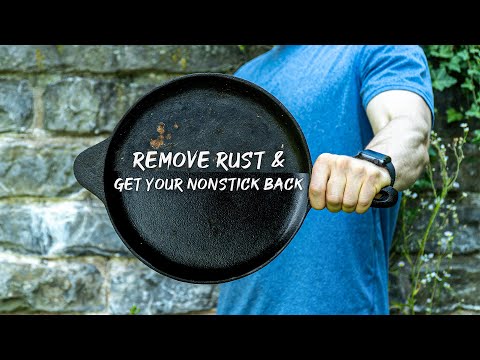
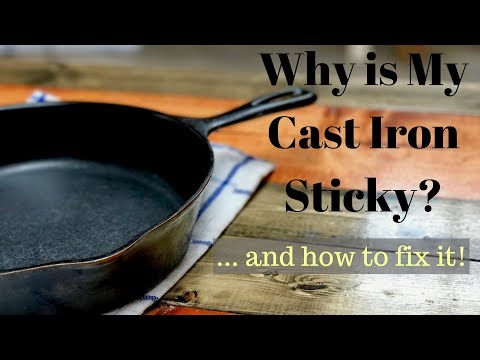
A tacky, varnish-like surface is the most common cast iron complaint, and it has one cause: the oil was too thick, too cool, or not held long enough to finish curing. What you are touching is half-oxidised oil that never became a polymer.
The instinct is to oil it again. Do not — that buries soft oil under more soft oil. Scrub the tacky layer back with hot water and something abrasive, dry it completely, then re-season in coats so thin they look like nothing, each one heated until it has properly set. Several thin rounds beat one generous one every time.
What to cook in it tonight
Chicken thighs are what a cast iron pan is for: skin down in a hot dry pan, left alone until it releases, then straight into the oven in the same pan. Tell FridgeToForks what else is in the fridge and it will tell you what you can cook tonight and what you are short of. Not everything below is quick — a couple are long, slow things — but they need nothing you do not already have.
Three things everyone gets wrong
Soap. Modern washing-up liquid does not strip bonded seasoning. The old warning dates from lye-based cleaners. Wash it, do not soak it, dry it straight away. If soap does seem to take your seasoning off, that was soft oil, not seasoning.
Acid. Real, but overstated. A quick deglaze with wine on a mature pan is fine; simmering tomato sauce in it for two hours is not. New, thin seasoning is the vulnerable kind.
That it becomes Teflon. It does not. A well-built pan releases beautifully with a little fat and a proper preheat, but eggs and delicate fish will still test it. Expect a noticeable improvement within a few sessions and a genuinely tough surface after weeks of regular use.