Articles · Copycat Recipes
How to make Chili's at home
The queso needs processed cheese and the salsa needs tinned tomatoes. Both feel like cheating and both are the actual answer.
Two of the three things people want from Chili's are improved by using ingredients that feel like a downgrade. That is the whole lesson here: chain food tastes consistent because it is built from consistent industrial components, and substituting something fancier moves you away from the target, not towards it.
The queso needs processed cheese
Skillet queso is smooth, pourable and deliberately processed-tasting, and you get there with American or another emulsified cheese plus evaporated milk, mild chilli seasoning and finely crumbled beef. The emulsifying salts are doing real work: they keep the fat suspended so the sauce stays glossy.
Use a good aged cheddar instead and it will break — the fat separates and you get a grainy, oily sauce. That is not a failure of technique, it is chemistry. Heat it gently, keep the liquid-to-cheese ratio steady, and resist the urge to make it gourmet.
The salsa needs tinned tomatoes
Same principle. Their salsa is smooth, thin and consistent rather than fresh and chunky, and tinned tomatoes get you closer than good fresh ones because they have that cooked, even flavour the restaurant version has.
Blend it properly rather than chopping, keep the garlic and jalapeño restrained, and adjust salt and acid after it has rested. The most common mistake is loading it with fresh coriander and raw garlic, which makes something that tastes homemade in exactly the way you were not aiming for.
What you actually need to buy
Our Chili's copycats want chicken breast, cumin, tomatoes, plain flour and black beans. Add processed cheese and evaporated milk for the queso, and a tin of tomatoes with green chilli for the salsa. None of it is expensive and none of it is hard to find.

The fajitas, and why yours do not sizzle
The sizzle is theatre, but it is also a technique. The skillet goes into the oven or over a burner until it is genuinely fierce, far hotter than you would cook on, and the food goes onto it already cooked. A little of the marinade or a knob of butter hitting that surface is what makes the noise and the smoke. Cook the meat and peppers separately and properly first, get the pan brutally hot, then combine at the last second. Trying to cook the fajitas in the serving skillet gives you neither the sear nor the sizzle.
The Bloomin' Onion is the other one people attempt and get wrong, though there it is the cut rather than the cheese.
What you can make tonight
Tell FridgeToForks what is in the cupboard and it will tell you which of these is cookable now. Below are the closest Chili's copycats we hold.
The ribs, and the myth about boiling
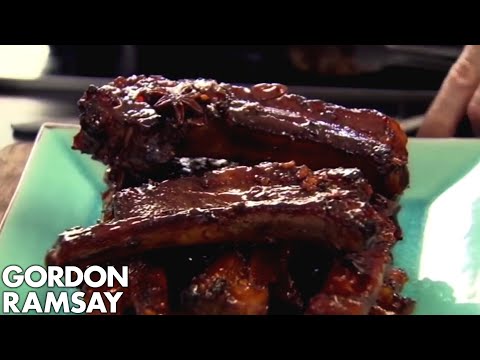
Pull the membrane off the back of the rack first — it never softens and it stops seasoning getting in. Season, then cover and cook low and slow until the rack bends easily when you lift it. Only then unwrap, sauce, and finish under a hot grill to caramelise.
Do not boil them. It tenderises quickly and leaches the pork flavour straight into the water, which is why boiled ribs taste faintly of nothing under the sauce. And build the glaze in several thin layers rather than one thick one — each pass sets and concentrates, and that layering is most of what makes restaurant ribs taste the way they do.