Articles · Copycat Recipes
How to make Taco Bell at home
The seasoned beef is the whole puzzle, and it is a texture problem rather than a spice problem. Here is what actually produces it.
Taco Bell copycats almost all fail in the same place, and it is not the spice blend. It is that people brown mince in a pan and then wonder why the result is crumbly and dry instead of soft, fine and clinging.
It is a texture problem, not a spice problem
The commercial version uses very finely ground beef, a lot of water, and a binder that holds that water in place. It is stirred hard and held hot, which is what produces the soft, almost spreadable texture that everyone recognises and nobody reproduces by frying.
So stop dry-frying it. Simmer the beef with water and the seasoning rather than browning it, mash it continuously with the back of a spoon as it cooks, and reduce until it is moist and spoonable rather than loose. Use the leanest mince you can find — fat separating out is the enemy of that texture.
What the masa harina is doing
Copycat recipes reach for masa harina and rarely explain why. It does two things: it thickens the liquid around the meat so the seasoning clings instead of pooling, and it adds a toasted corn note that reads as familiar because it is the flavour of the shell. Use it sparingly — too much and you get something gritty and tamale-like.
The oat-filler stories are mostly noise. Oat fibre or starch in commercial versions is a binder doing the same water-holding job; it is not a flavour secret, and you can get the effect with a spoon of masa or plain cornflour.
What you actually need to buy
Ours is the most specific shopping list in the series: cumin, flour tortillas, cheddar cheese, masa harina, seasoning salt and beef bouillon powder. The bouillon is the one people skip and the one that most reliably moves a home batch towards tasting commercial — it supplies salt, savouriness and a rounded background all at once.

The sauces are worth making once
Mild, hot and fire are the same base with the heat dialled up, and the base is closer to a thin, vinegary, tomato-forward sauce than to anything chunky. Tomato paste thinned with water, vinegar, chilli powder, cumin, garlic and onion powder, then blended completely smooth and left to sit. Smoothness matters more than people expect, because texture is a large part of why a home sauce reads as homemade. Make a jar and it keeps for weeks in the fridge, which changes a weeknight more than the beef recipe does.
McDonald's has the same divide between what reproduces and what does not.
What you can make tonight
Tell FridgeToForks what you have and it will tell you which of these is within reach. The recipes below are the nearest Taco Bell copycats in our corpus.
Build it in the right order
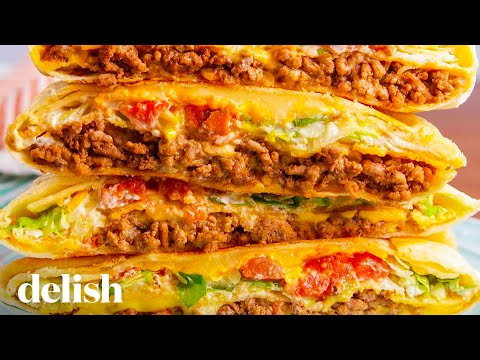
For anything layered — a Crunchwrap especially — the order exists to keep the crisp things crisp. Sauce and beef go against the tostada shell, not against the soft tortilla, and the cold ingredients go on last so they never touch the hot layer directly. Then grill it seam-side down first so it seals shut before you turn it. Assemble it wrong and it is soggy in ninety seconds, which is the difference between the thing you wanted and a wet parcel.